Skip to content

Reproductive success is the cornerstone of herd improvement. It gives farmers greater choice: more high genetic merit replacement calves, more flexibility in generating non-replacement calves, and more discretionary culling opportunities for cows. It lifts overall herd quality and performance, maximises returns from elite straws, and for some, even creates the option to eliminate stock bulls altogether.
Preparing for a successful joining period
As joining approaches, focus on-farm shifts to maximising submission and conception rates through the AI mating period. Well-managed joining sets the foundation for herd performance and reproductive success.
Preparation for this key period covers heat detection optimisation, scheduling synchrony programmes, finalising semen supply and technician logistics, and implementing the animal health plans. Mating length and stock bull planning should also be clearly defined.
Consider scheduling early-age pregnancy diagnosis (EAPD) visits to capture valuable insights sooner. As joining progresses, pregnancy testing results provide a clear picture of how the season is tracking, enabling timely, informed adjustments where needed.
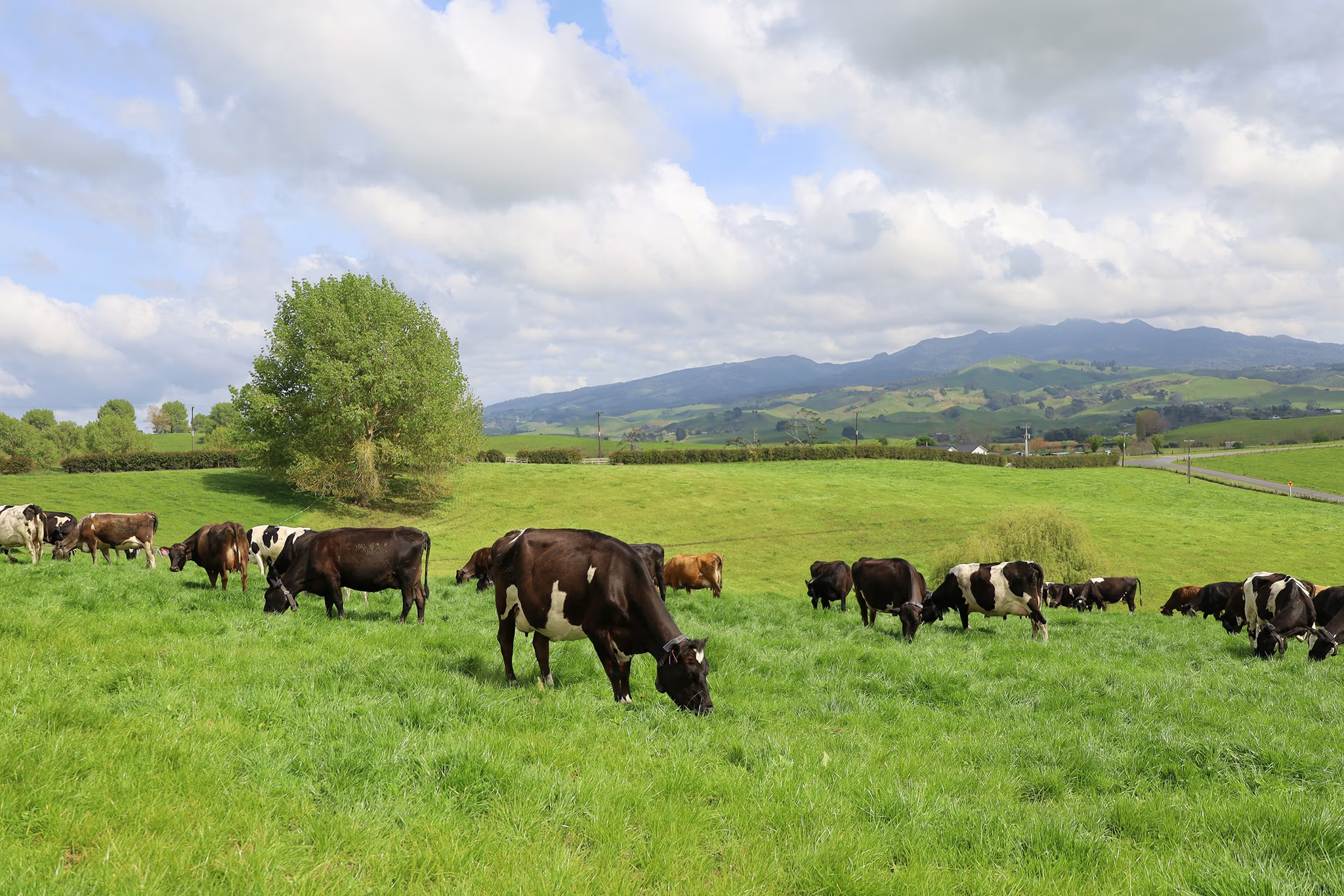
Early-age pregnancy testing (EAPD) offers a powerful tool for both planning and review. When carried out consistently year on year, it enables farmers to sit down with their professional advisers and clearly track progress within their own herd. Trends become easier to identify, successful strategies can be validated and carried forward, and any gaps can be prioritised for the season ahead.
New Zealand reproductive performance reaches a new high
New Zealand has been tracking national herd reproductive performance annually, with results now reported for the 2025/26 season.
Data from LIC shows continued strong reproductive performance for the New Zealand spring calving season, with gains in key metrics compared with the previous year.
The New Zealand six-week in-calf rate (6wkICR) lifted slightly to a new record of 70.4%, up from 70.2% the season before, while the proportion of cows not recorded as in-calf remained relatively stable at 14.7%.
LIC Chief Executive David Chin said maintaining performance at this level is a positive result for the industry and reflects the consistency farmers are achieving on farm.
“After the gains we’ve seen over recent seasons, seeing another lift is a fantastic result for New Zealand dairy farmers. Achieving a record six-week in-calf rate of 70.4% reflects the continued focus farmers are placing on reproduction performance and making good decisions on farm.”
The New Zealand industry’s top- performing 25% of herds achieved a six-week in-calf rate of 78.2%.
“Those top-performing herds are getting more cows submitted, achieving higher conception rates and ending the season with fewer empty cows. The difference isn’t one thing done exceptionally well – it’s consistently getting the basics right, from nutrition and cow recovery through to heat detection and mating management,” continues Chin.
Chin says reproduction outcomes are ifluenced by a range of factors, including seasonal and weather conditions, which can affect pasture quality and how cows recover heading into mating.
“Whether farmers are using conventional dairy, sexed semen, beef or SGL products, preparation before mating remains one of the biggest influences on getting cows back in calf.”
“At the end of the day, good reproductive performance comes back to healthy, well-managed cows, and this year’s results show farmers are continuing to do that well.”
The continued emphasis on female fertility within the LIC breeding programme is helping support these phenotypic gains, with steady progress also evident in the female fertility breeding values (BV) of the cow population.
For those focused on locking in current reproductive success or looking to lift their herd performance higher, the team at LIC Australia is ready to support you with an excellent range of heat detection aids and bringing you the very best of LIC genetics to our Australian customers.
* The results are based on New Zealand data from 4,776 herds and more than 2.6 million cows, continuing to provide a representation of national performance.