Skip to content

With engineering backgrounds and no inherited farming blueprint to follow, the couple have built their Gippsland dairy business by asking plenty of questions, learning from experienced people, and being clear about the sort of system they wanted to run.
A different beginning
Nick’s path into farming was far from traditional. After school, he and Annie travelled overseas, where small European dairy herds first caught his attention.
“I remember walking past these little dairy herds – 15 or 20 cows – with the bells on them, heading in and out of the barns. I loved it,” Nick recalls. “I didn’t know anything about farming, but something about it clicked.”
Back in Australia, Nick built a career as a process engineer in wastewater treatment. The work was challenging, but over time he found himself looking for something more hands-on.
“I just wasn’t fulfilled,” he says. “I wanted something where I had ownership – where I could actually build something and see the results of it.”
The shift to farming
The opportunity came when Annie’s family bought a farm in the hills near Meeniyan, in Gippsland.
At the time, the property was running beef cattle and still had significant dairy infrastructure sitting idle.
“There was a shed there with a huge amount of investment in it, just sitting unused,” Nick says. “From an engineering perspective, it didn’t make sense.”
Before committing, Nick set out to learn the basics properly. He started milking one day a week for a local farmer, making it clear he was there for the experience rather than the pay.
“I was very honest about it – I wasn’t there for the money. I was there to learn.”
That year proved invaluable. The farmer became an important mentor, and inspired by everything they had learned, Nick and Annie made the decision to pursue dairy farming. They leased Annie’s family farm, transformed it back into a dairy operation, upgraded the infrastructure and began building their herd from scratch.
Building the herd
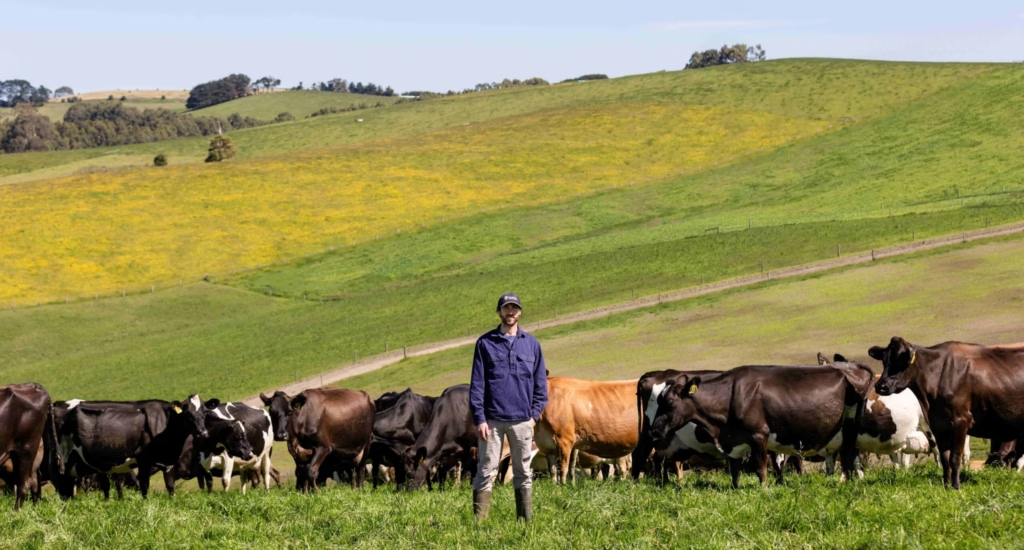
A key moment came with the purchase of their foundation herd – cows with strong LIC genetics behind them. From the start, the herd stood out for the right reasons.
“They were just trouble-free,” Nick explains. “Quiet, easy to handle, and they just did everything right. You’d open a gate and they’d flow through – no stress, no issues.”
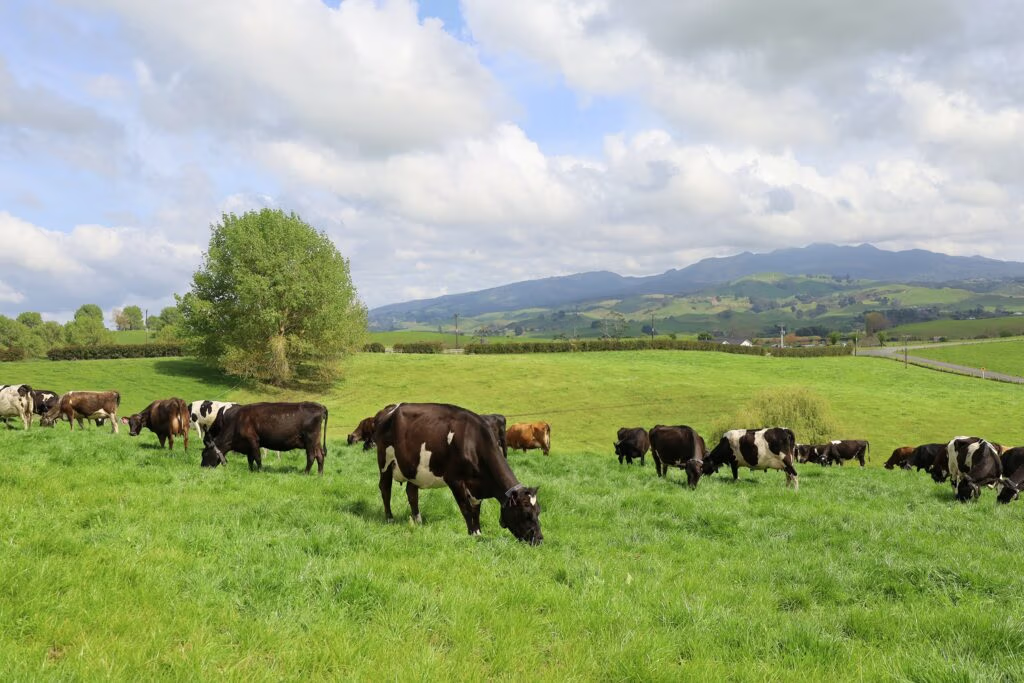
That early experience shaped the direction of the herd they wanted to breed: fertile, efficient cows that could work well in a pasture-based, seasonal system. As more animals were brought in over time, Nick continued to look for cows with that same LIC background, helping create a more consistent herd.
Breeding with continuity
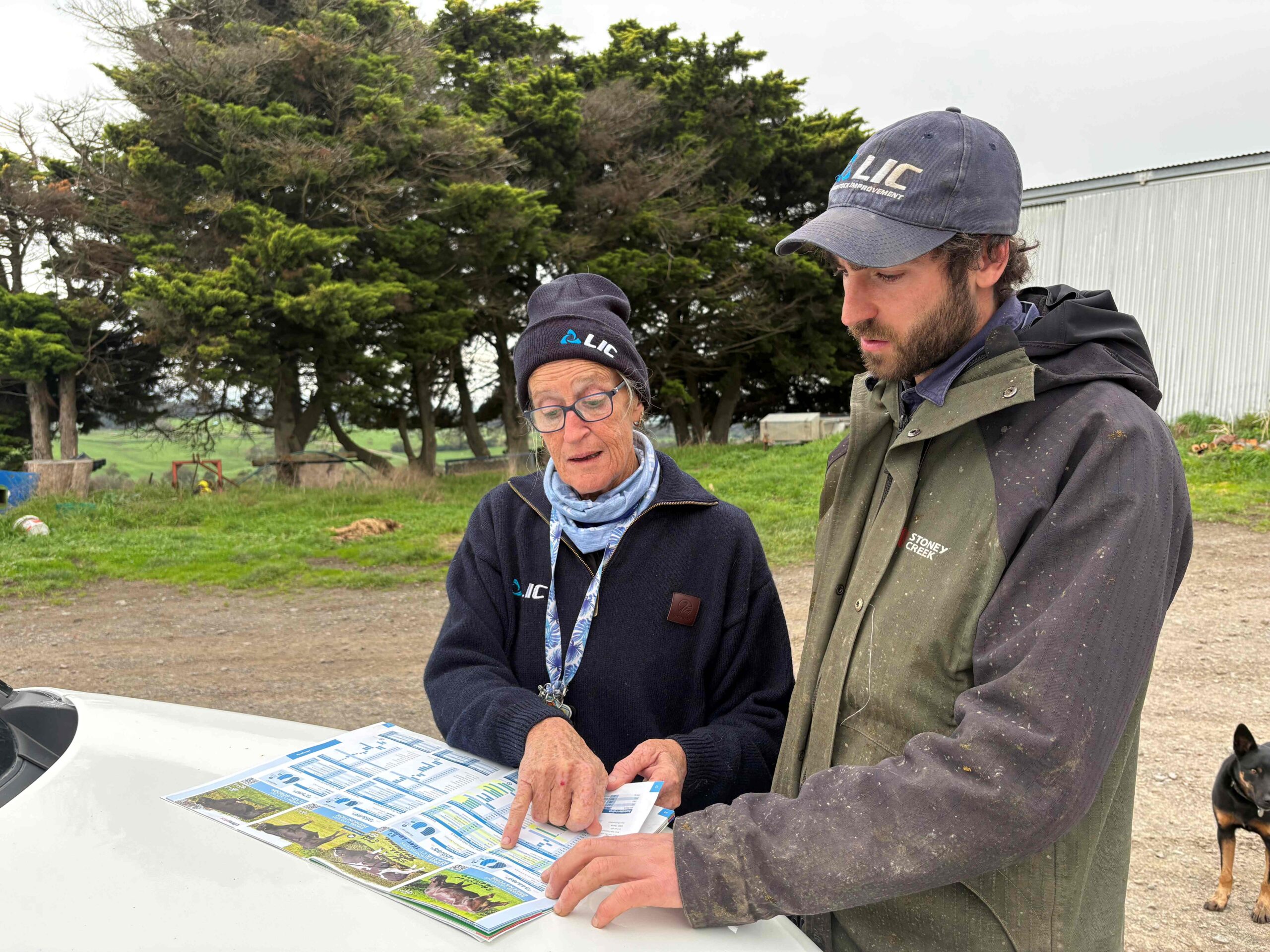
Nick says the support of local LIC District Manager Colleen has also been important throughout their journey.
Having known the original herd and its genetic base well, Colleen has been able to bring valuable context to the breeding decisions being made today – helping Nick and Annie build on what was already working, rather than starting from scratch.
“Colleen understands the history of these cows – the breeding decisions that have been made over time and why,” Nick says.
“Her experience is valuable and gives us real confidence in the direction we’re heading.”
Rather than starting again, Nick and Annie have been able to build on an established genetic base that already fits their system.
“It’s not just about picking bulls on paper,” Nick says. “It’s about understanding what’s already in your herd and making decisions that complement it.”
A system that supports the cow
At the centre of the couple’s approach is a simple idea: build the farm system around the cow, rather than forcing the cow to fit the system.
Variable milking has become an important part of that. The herd is milked twice a day early in the season, then moves to three milkings in two days, before finishing on once-a-day aheadof drying off.
“It gives us flexibility, reduces pressure on the cows, and supports condition going into the next season,” Nick explains.
Rather than chasing maximum production, the focus is on running a profitable, sustainable system that works for the cows and for the people behind the business.
Health by design
One of the most pleasing outcomes on farm has been low levels of mastitis and lameness. While good management is an important part of the equation, Nick believes genetics provide the foundation.
“We don’t have many issues with mastitis, and lameness is minimal,” he says. “Yes, management plays a big role – but genetics absolutely underpin that.”
Fresh cows are managed separately and only join the main herd once Nick is confident they are ready, helping reduce pressure around calving and lowering the of problems spreading.
For Nick, though, the bigger story is the resilience of the herd. “These cows are bred to be healthy and functional. They get in calf, they stay sound, and they keep working.”
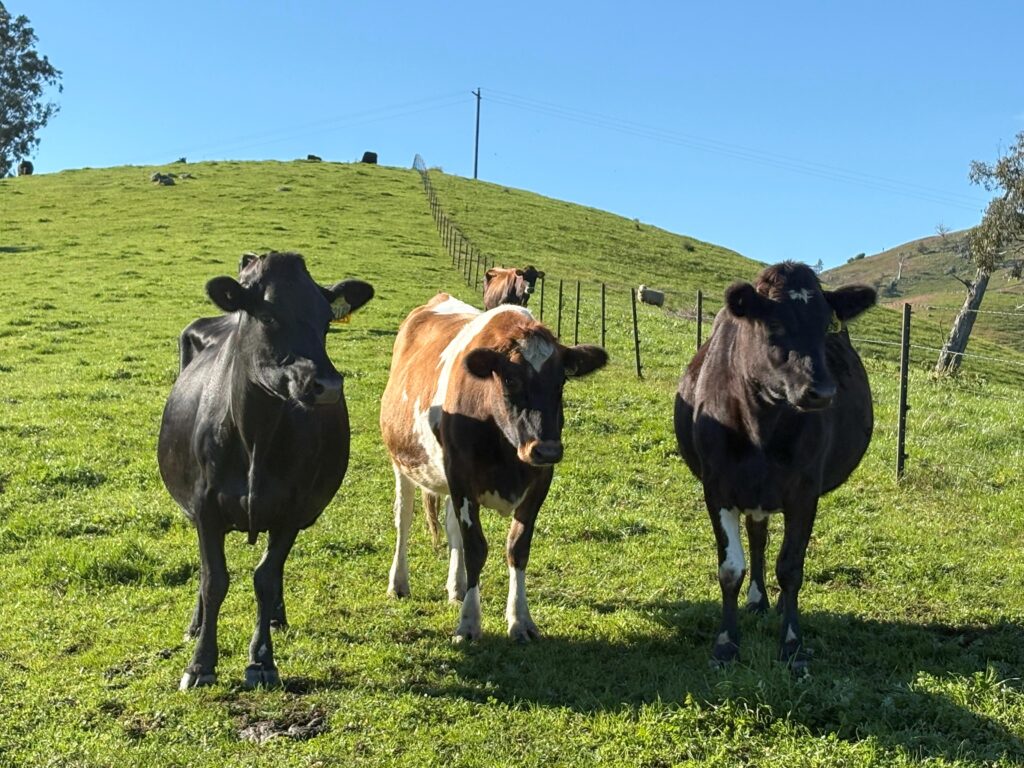
Even with hill-country tracks and varied terrain, the cows continue to suit the job. “It’s not about the highest-producing cow,” he says. “It’s about the cow that lasts and fits your system.”
A different way of thinking
Coming into dairy from outside the industry has shaped the way Nick looks at the business. He is comfortable questioning why things are done a certain way, while recognising that a system only works when decisions are consistent.
For Nick, that means a seasonal, pasture-based system built around fertile, efficient cows, with technology used where it adds real value. He has invested in collars with virtual fencing to improve pasture and crop management across the farm’s hill country.
The ability to manage grazing more precisely, reduce labour involved in shifting fences and better utilise challenging terrain aligns with the way he wants to farm. Crops such as chicory and fodder beet also help maintain feed quality and extend grazing options through summer and winter.
For Nick, technology is simply another tool to support better grazing decisions, improve efficiency and help the whole farm system perform.
Clear on the system
For Nick and Annie, success comes back to having a clear system and sticking to it. From the beginning, Nick made a conscious decision to build a pasture-based, seasonal system and breed cows that would thrive within it.
“I think the most important thing is picking your system and sticking to it,” he says.
You can’t run one type of cow in a completely different system and expect it to work.”
That philosophy is reflected in the results, including strong in-calf rates, low empty rates and steady growth in herd numbers.
A partnership on and off the farm
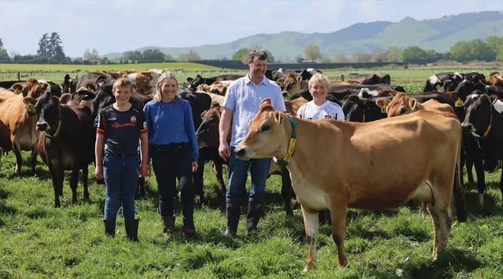
While Nick leads the day-to-day farm operation, Annie plays an important role in supporting the business and balancing family life. The couple are now raising their young children, Hettie, 3, and Matilda, 9 months, while managing the realities of farm life.
For Annie, the lifestyle is demanding but rewarding. “There’s a real sense of purpose,” she says. “You’re building something together, and you’re doing it for your family.”
“You have to enjoy the day-to-day,” Annie says. “Because this isn’t just a job – it’s a lifestyle.”
Nick and Annie’s dairy journey is still in its early stages, but the foundations are already well established: a clear system, a herd bred to suit it, and trusted people around them who understand both.
With LIC genetics at the core, Colleen Mourie’s long-standing herd knowledge supporting breeding decisions, and farmer mentors willing to share their experience, the operation is a strong example of what can happen when new entrants bring fresh thinking to an industry built on generations of practical know-how.
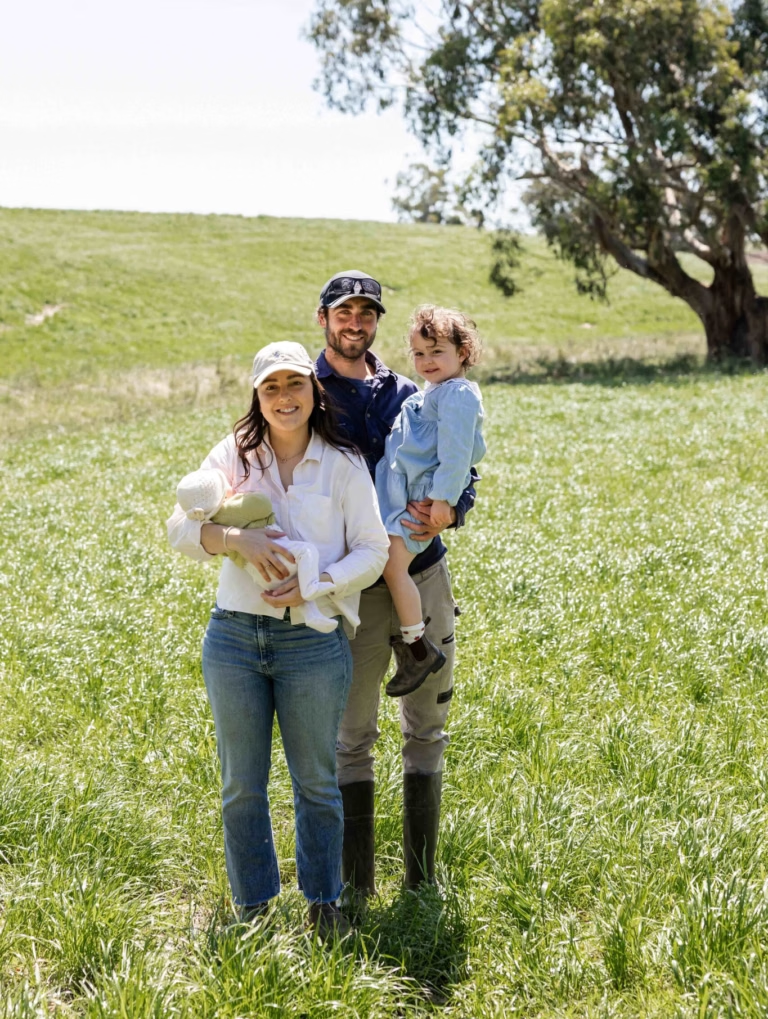
While Nick leads the day-to-day farm operation, Annie plays an important role in supporting the business and balancing family life. The couple are now raising their young children, Hettie, 3, and Matilda, 9 months, while managing the realities of farm life.
For Annie, the lifestyle is demanding but rewarding. “There’s a real sense of purpose,” she says. “You’re building something together, and you’re doing it for your family.”
“You have to enjoy the day-to-day,” Annie says. “Because this isn’t just a job – it’s a lifestyle.”
Nick and Annie’s dairy journey is still in its early stages, but the foundations are already well established: a clear system, a herd bred to suit it, and trusted people around them who understand both.
With LIC genetics at the core, Colleen Mourie’s long-standing herd knowledge supporting breeding decisions, and farmer mentors willing to share their experience, the operation is a strong example of what can happen when new entrants bring fresh thinking to an industry built on generations of practical know-how.